Hugh O'Neill
October 28, 2026





Get accounting insights delivered directly to your inbox!
TakeControl London 2026 was FloQast's first UK user conference – a chance to hear directly from the people putting AI and automation to work and to discuss what comes next for our profession. It did not disappoint.
What emerged across the keynotes, breakout sessions and panel discussions was a sense that AI in accounting is moving beyond experimentation and is now delivering tangible results, with finance teams increasingly focused on how to build on those successes.
In particular, the discussions highlighted the importance of combining innovation with strong financial controls and auditability. My view is that these need to be considered together from the outset, rather than addressing the risks once the technology is in place.
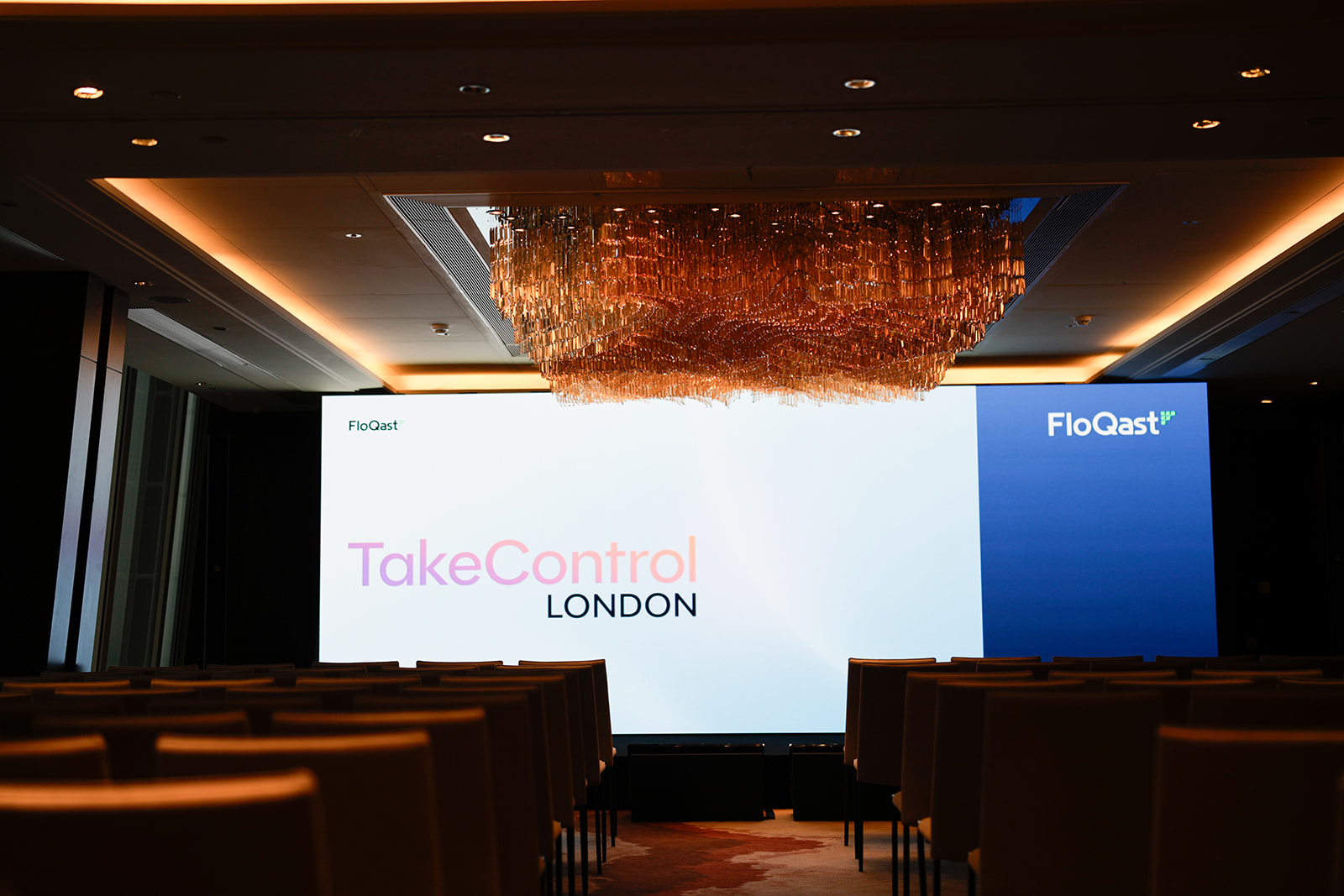
If you missed out, here are five takeaways from the day.
One of the strongest messages of the day came from Chris Sluty, FloQast's co-founder and Chief Product Officer. He warned that finance leaders risk wasting money on AI if they focus on adopting the technology rather than identifying the problems it should solve. He said accounting teams need an automation strategy, not an AI strategy.
He also made the point that some processes are better handled by conventional software, while others may benefit from AI agents. The trick is that, rather than taking a blanket approach, finance leaders need to choose the right tool for the right job. Success isn’t measured by the amount of AI deployed but by improvements in accuracy, efficiency and cost.
As AI takes on more accounting work, finance teams must ensure that automation doesn't come at the expense of financial control. For me, that comes down to three things.
As the Audit-Ready Finance session explored, organisations must be able to demonstrate that their controls still work when AI agents perform accounting tasks. AI may change who – or what – does the work, but it doesn't change the standards that work must meet.
As accountants, we're trained to get things right. But focusing too much on detail rather than seeing the bigger picture can also hold us back when we're trying to improve how we work.
The truth is, there's no need to automate an entire process in one go. You might start with something as simple as a repetitive task in Excel. Even a small change like that can save time, and you can build on it as you go.
The challenge is to improve processes while keeping them running. We don't need 100% automation to make progress. We just need to make things better than they were.
My advice to finance leaders is simple: ask your teams what they're doing, break those processes down into individual steps and see where automation could help. Who knows, your best AI opportunities may be hiding in plain sight.
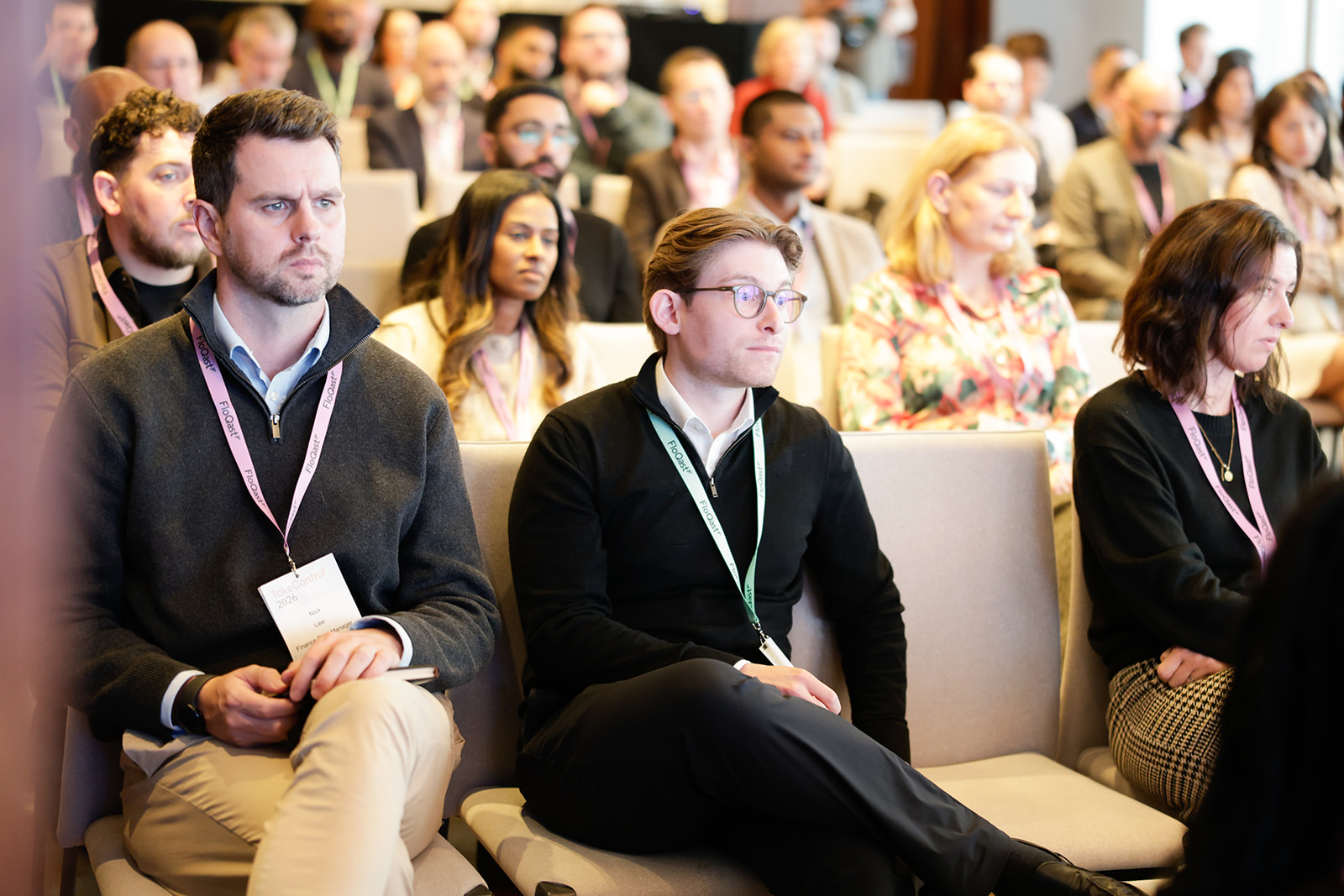
Not everyone you work with will necessarily be as keen on AI as you. Some people are already experimenting with it, while others are understandably more cautious.
If you want to make progress, find the people interested in using AI and give them the opportunity to explore practical use cases. If they find a better way to complete a task, you've got a practical example you can share with the wider team.
The important thing to remember is to give people the right guardrails so they can experiment without putting existing processes at risk. I would also add that the pace of change is such that if AI couldn't do something six months ago, try again.
Tools such as Copilot in Excel have improved, and we're continuing to develop FloQast Transform as we learn more about how customers want to use it. The pace of innovation can be breathtaking at times.
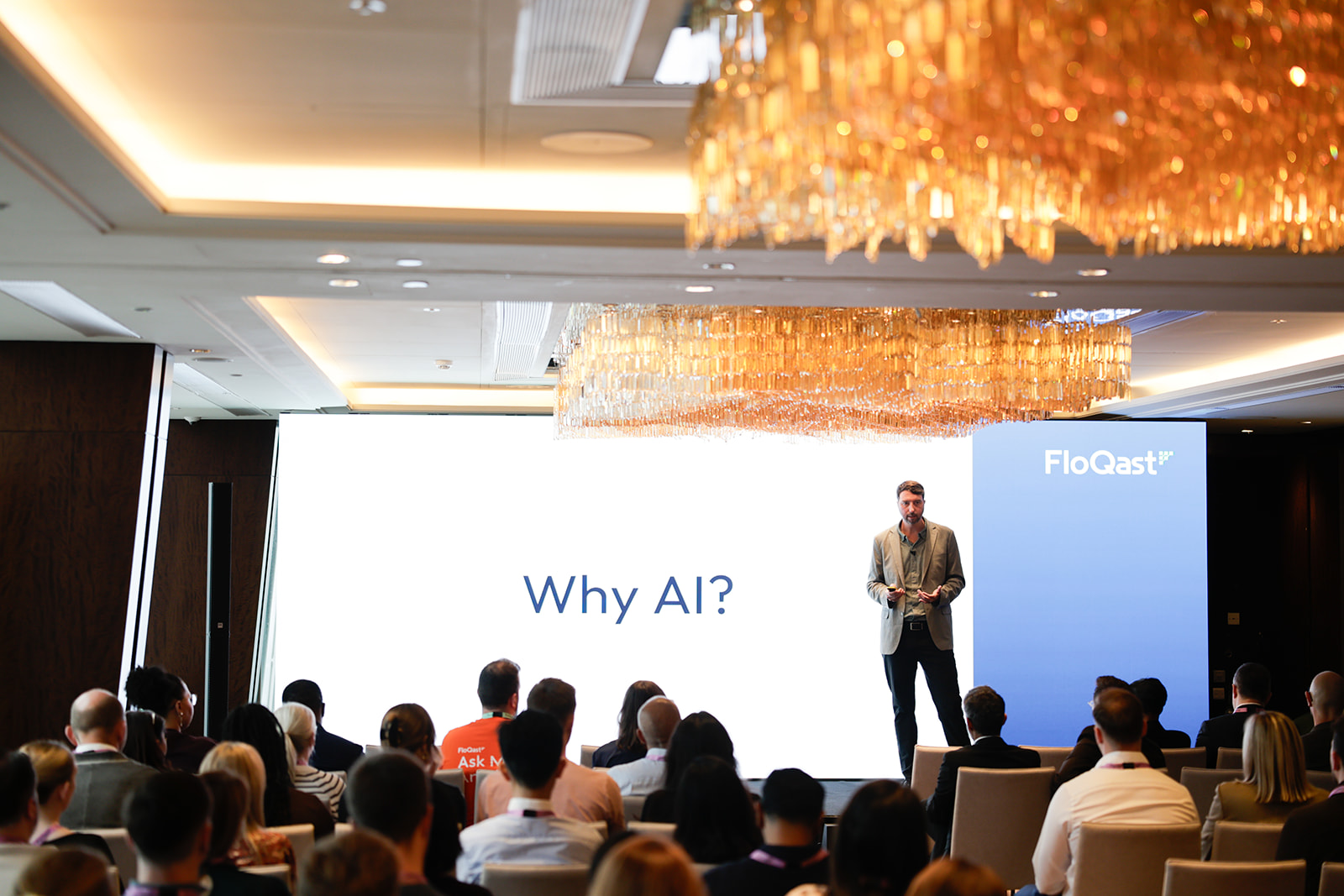
No discussion about AI is complete without touching on how it will change our roles and our profession. We're already seeing new ways of interacting with software, including tools that allow people to describe what they want to do rather than having to build everything themselves.
Some people see it as a threat. Plenty more see it as an opportunity. AI may change how accounting tasks are performed, but it doesn't remove the need for accounting expertise. If anything, that expertise becomes more valuable as accountants take greater responsibility for deciding how the technology is used
Finally, my thanks to everyone who attended TakeControl London 2026, particularly our speakers, customers, sponsors and the FloQast team who made the event possible.
It was a special event on a number of levels – not least the fact that we had an amazing space at the top of the Shard in central London.
At one point, I was chatting to someone during a pause in proceedings and we could clearly make out landmarks such as the Tower of London, St Paul's Cathedral, Canary Wharf and the contemporary buildings that make up London's modern skyline.
We were both struck by the history and how London has always been a place of innovation, constantly adapting and reinventing itself as new industries, technologies and ways of working have emerged.
And we wondered whether we were witnessing another of those moments today, and how AI might reshape how we live and work.
I’ll finish this wrap-up blog with the same challenge I set in the closing session. AI is having a profound impact on our profession. It cannot be ignored.
So, if you’re part of a finance team, pick one accounting process you can automate – and make it happen. And if you want to discuss your plans – or anything I’ve shared in this blog – then please feel free to reach out to me.

